Overview of AI and research tools
Traditional Research tools
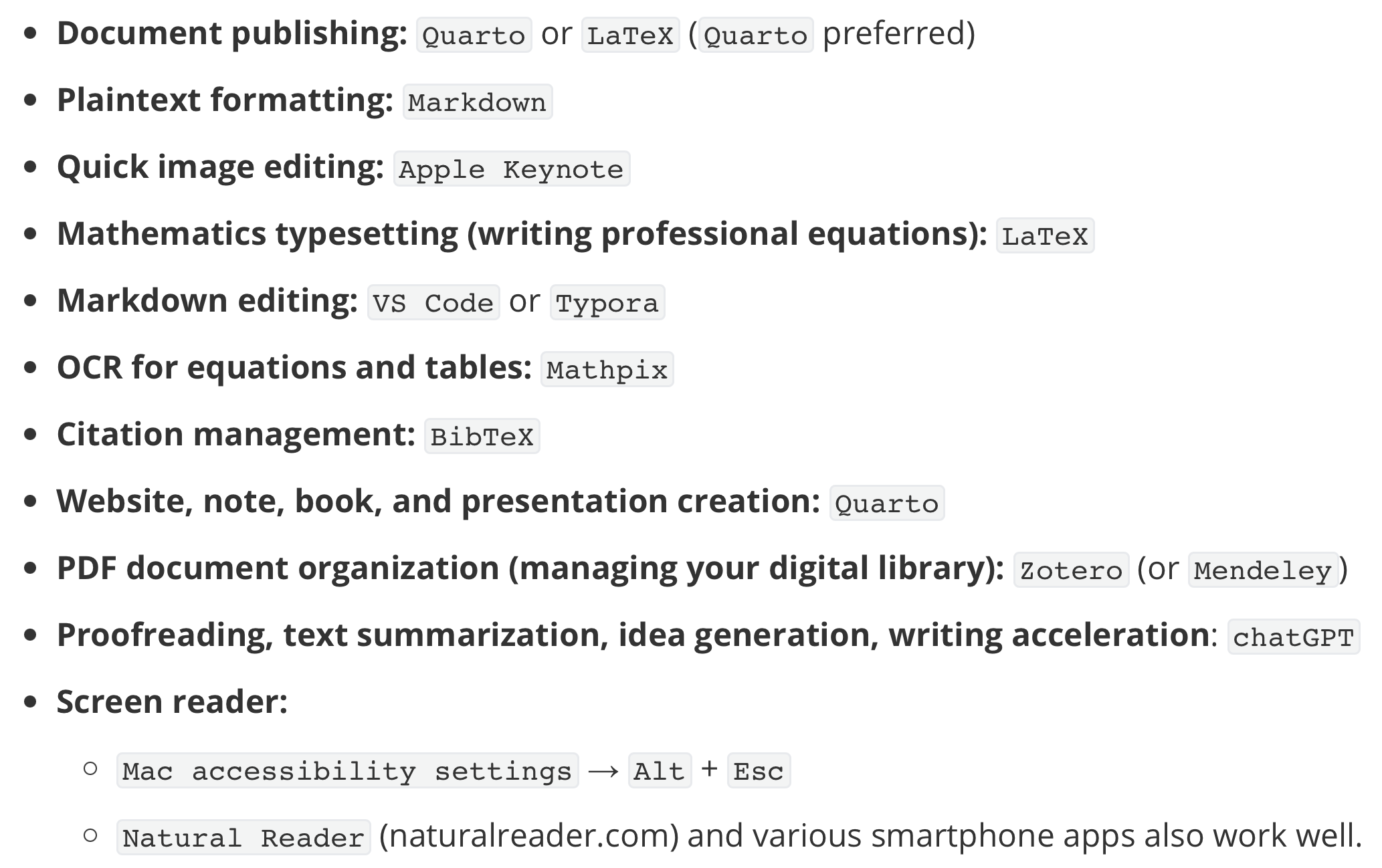
Example: Research “toolstack”
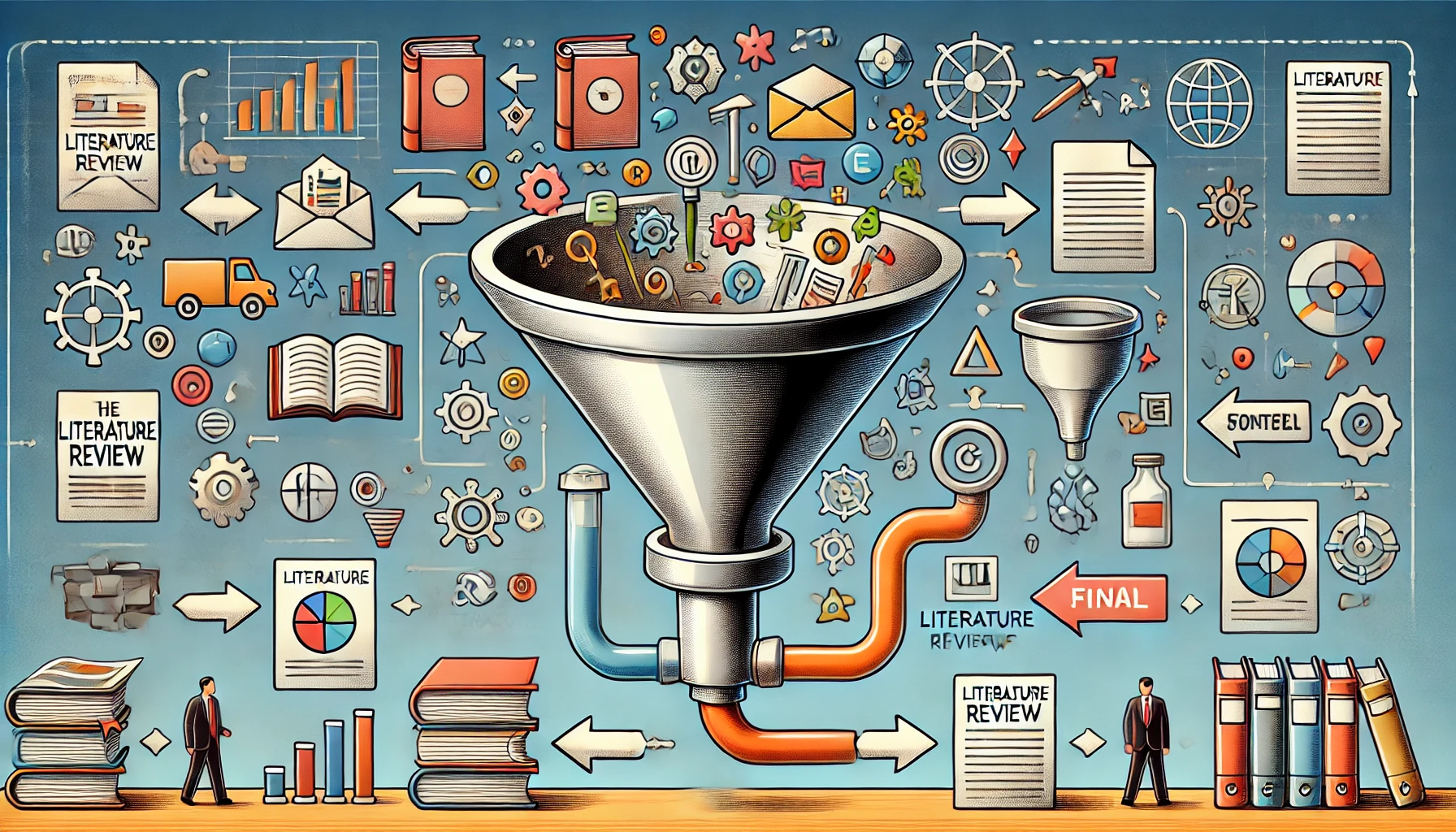
Literature review
Arguably the most important step of research is the literature review
- Summarizes existing research on a topic
- Identifies key themes, gaps, and debates
- Organizes sources logically (chronologically, thematically, etc.)
- Evaluates the credibility of studies
- Provides context for new research
- Highlights trends and areas for further investigation
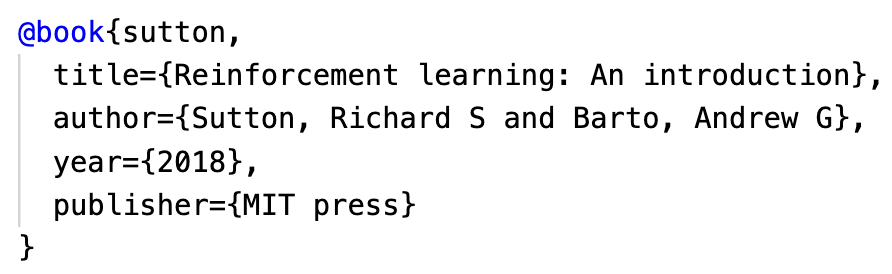
Citation management
- Example:
.bibentry
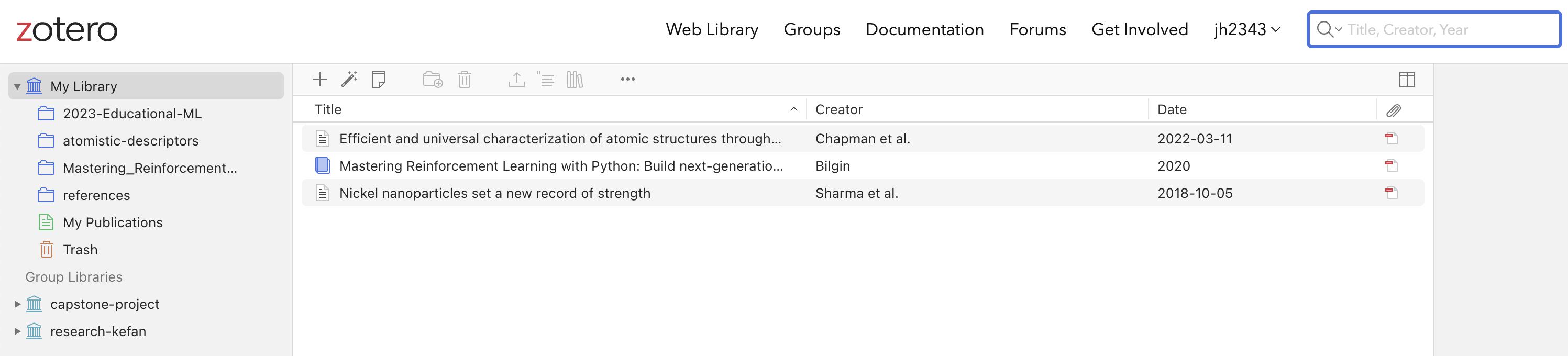
Keeping organized is a VERY important part of professional life!- It is a good idea to adopt a citation manager early in your academic career
- https://www.zotero.org/
- https://www.mendeley.com/
Ai Driven Knowledge work tools
General comment: Acceleration and efficency
- AI and humans work together:
- AI automates repetitive or complex tasks, allowing humans to focus on creative and strategic work.
- Supports decision-making with data-driven insights.
- Aids collaborative problem-solving by combining human intuition with AI logic.
- Efficiency:
- Speeds up workflows by automating routine tasks.
- Enables faster information processing and real-time recommendations.
- Boosts productivity and learning by reducing workload and highlighting errors.
Recommendation: Embrace Markdown and Latex
- Markdown: for writing
- Plain text: minimial time formating –> more time for thinking and writing
- Many LLMs are trained on Markdown text, so it is a good way to communicate with them
- Latex: for math and equations
- Popular Markdowntools:
- Citations and references: Bibtex for citations
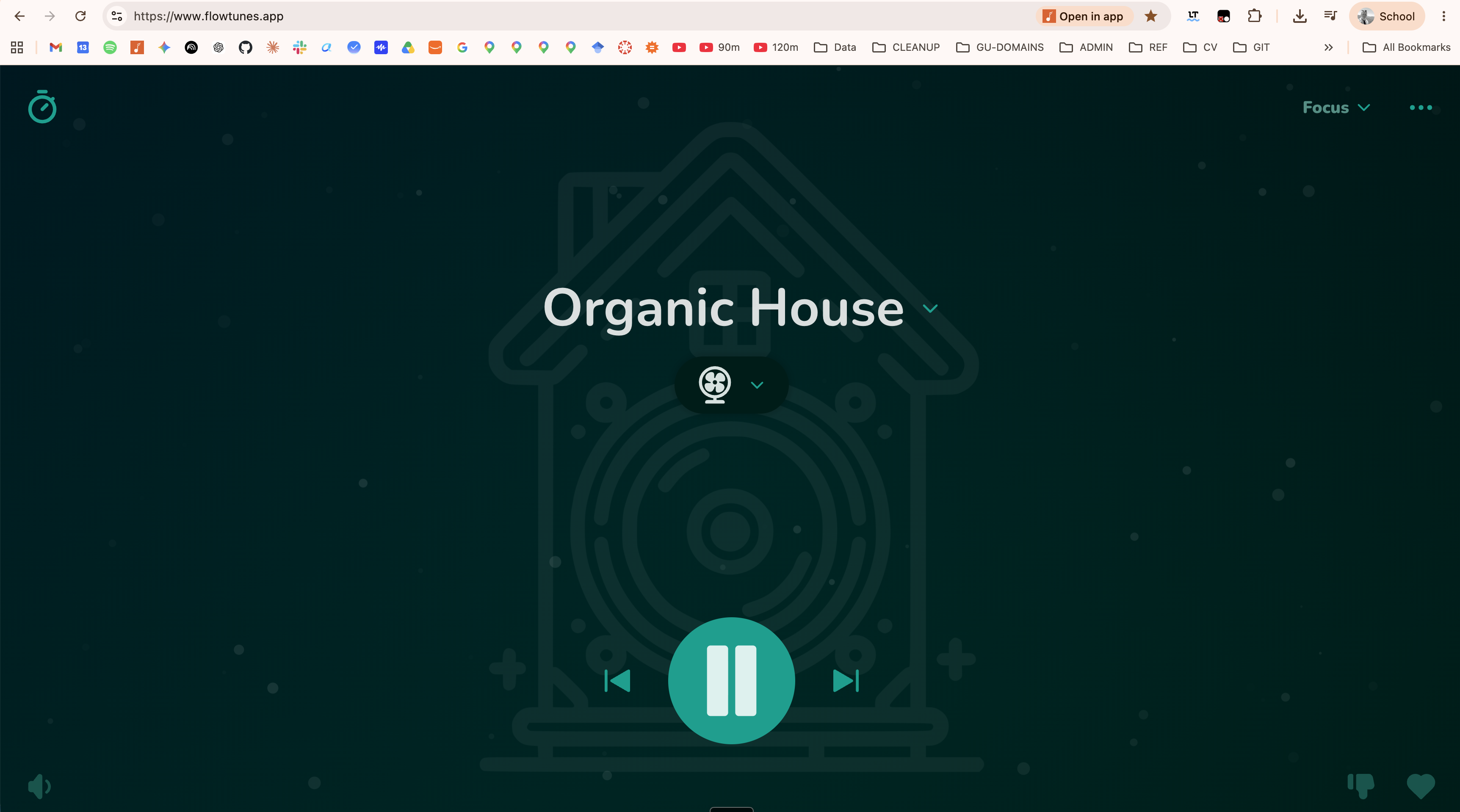
Flowtunes: Audio
This helps for blocking out the world and focusing, “locking in” to your work.
Mathpix: AI driven OCR
- OCR (Optical Character Recognition) software converts printed or handwritten text from images or PDFs into machine-readable, editable formats.
- Mathpix is an AI-powered tool for converting handwritten or printed content into editable digital formats.
- Ultimatelty it is an
imagetosequence learningtask
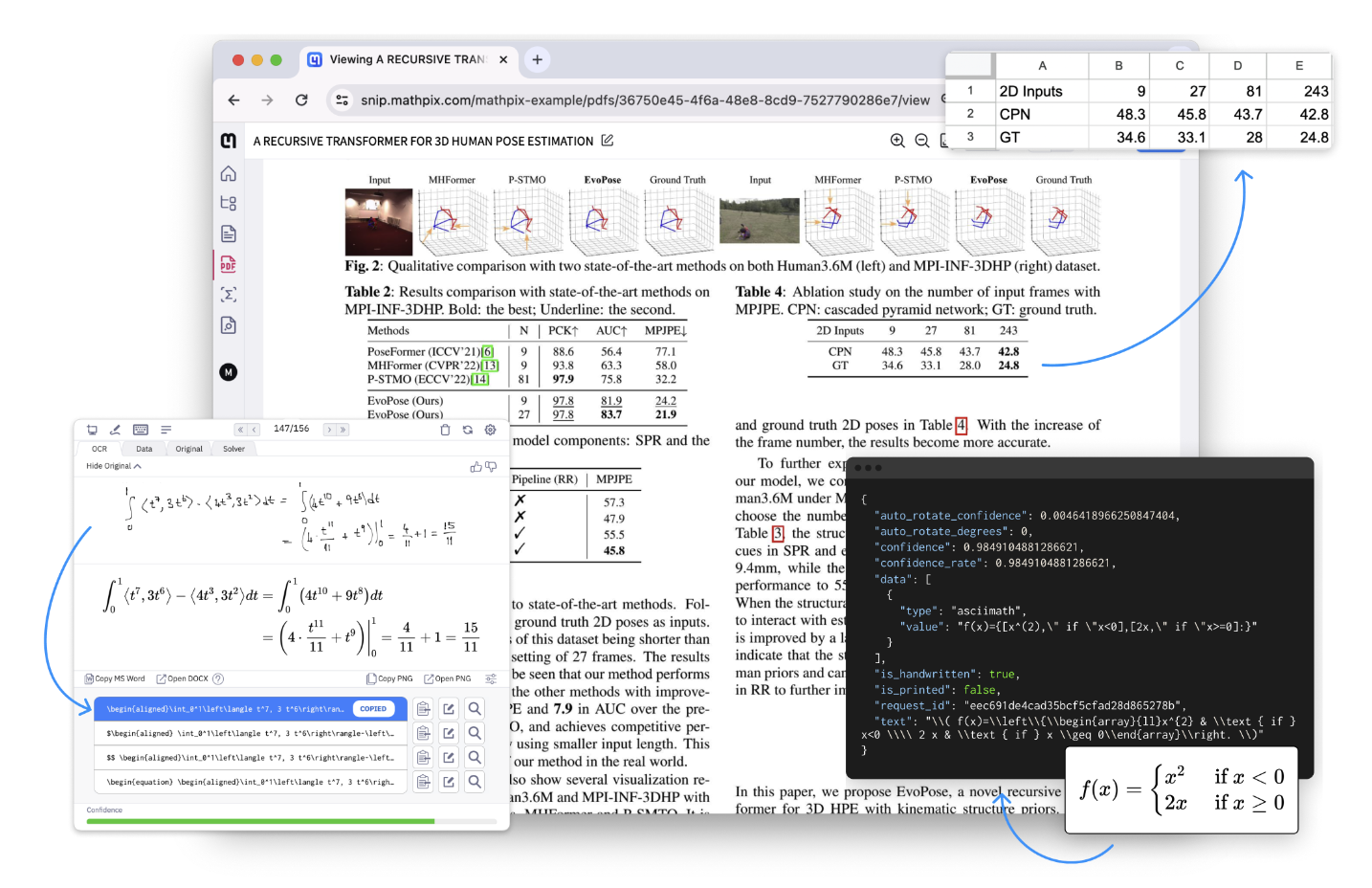
Source: https://mathpix.com/
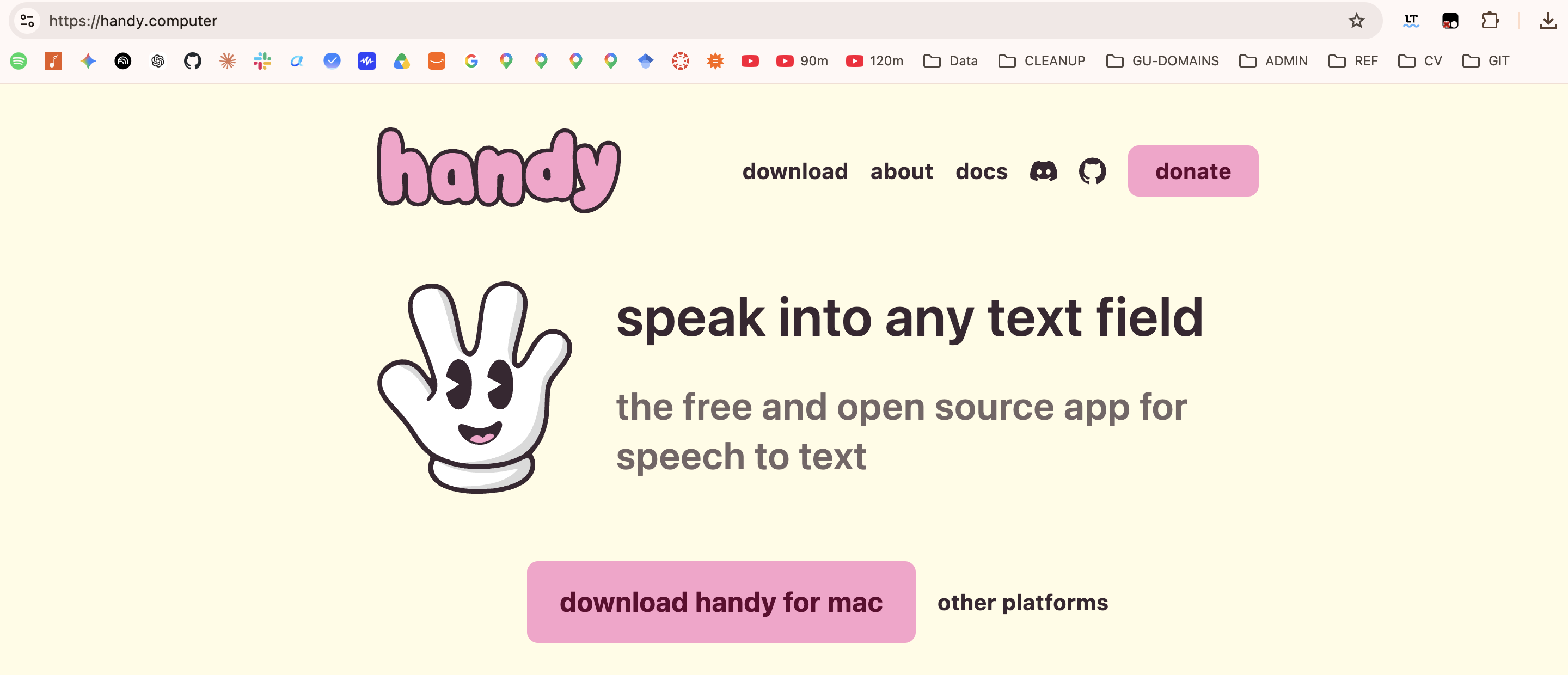
Voice to text: Handy
- Now days I talk to my compute as much or more as I type
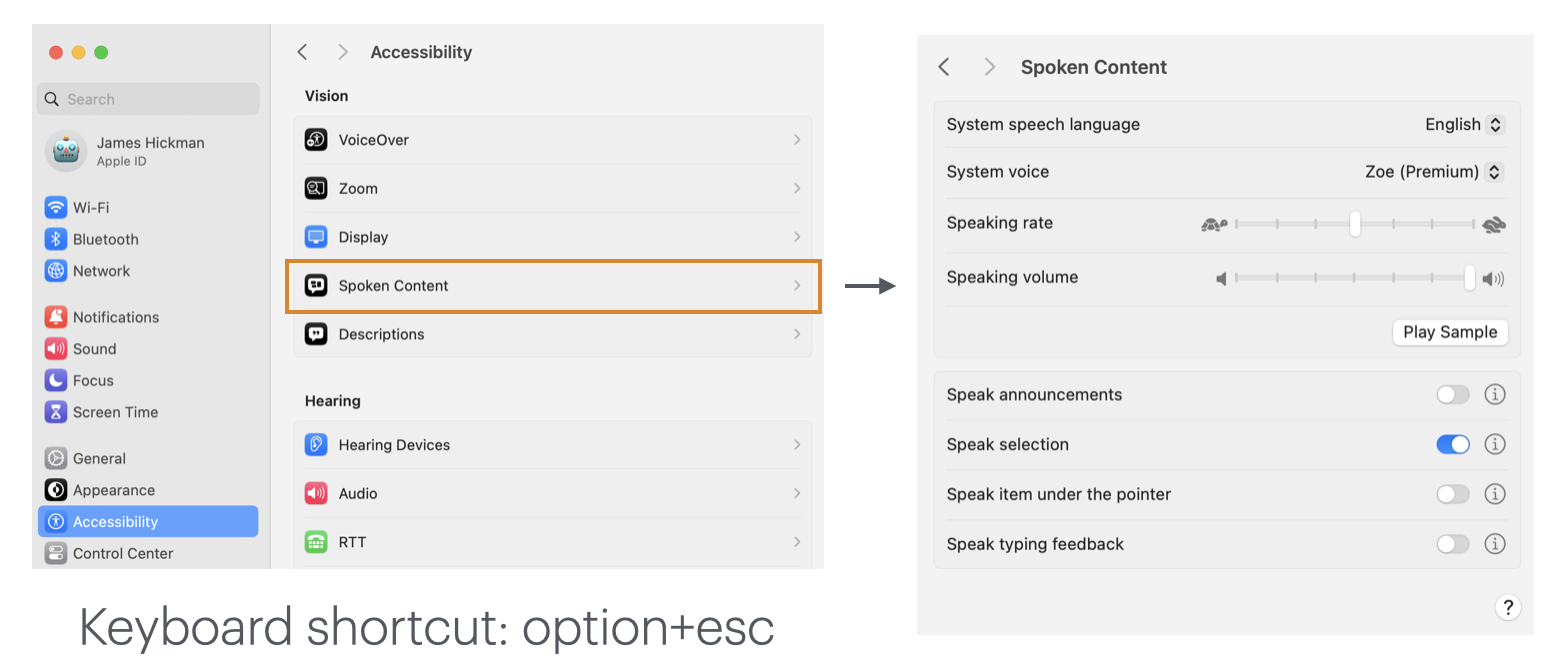
Text to Voice
A screen reader can significantly boost productivity by enabling multitasking, reducing eye strain, and offering alternative ways to consume written content efficiently.
I guarantee that listening to your writing before submission will improve it significantly.
Text to Voice (commerical products nicer voices)
- Speechify:
- ElevenLabs:
You can make customized LLM summaries of content you want to learn, and listen to them on your commute, walks, gym, etc.
Writing with chatGPT
Key Idea: ITERATE, POLISH, AND THINK, DON’T JUST COPY AND PASTE
- Good writing communicates clearly and concisely.
- ChatGPT helps improve and speed up writing.
- Always review and refine ChatGPT output for clarity and flow.
- Unedited outputs may lead to dull, robotic text.
- Poor writing doesn’t impress or elevate the reader’s opinion.
- ChatGPT has legitimate use-cases when used thoughtfully and edited carefully.
ALWAYS CHECK WITH YOUR DEPARTMENT FIRST!!!!
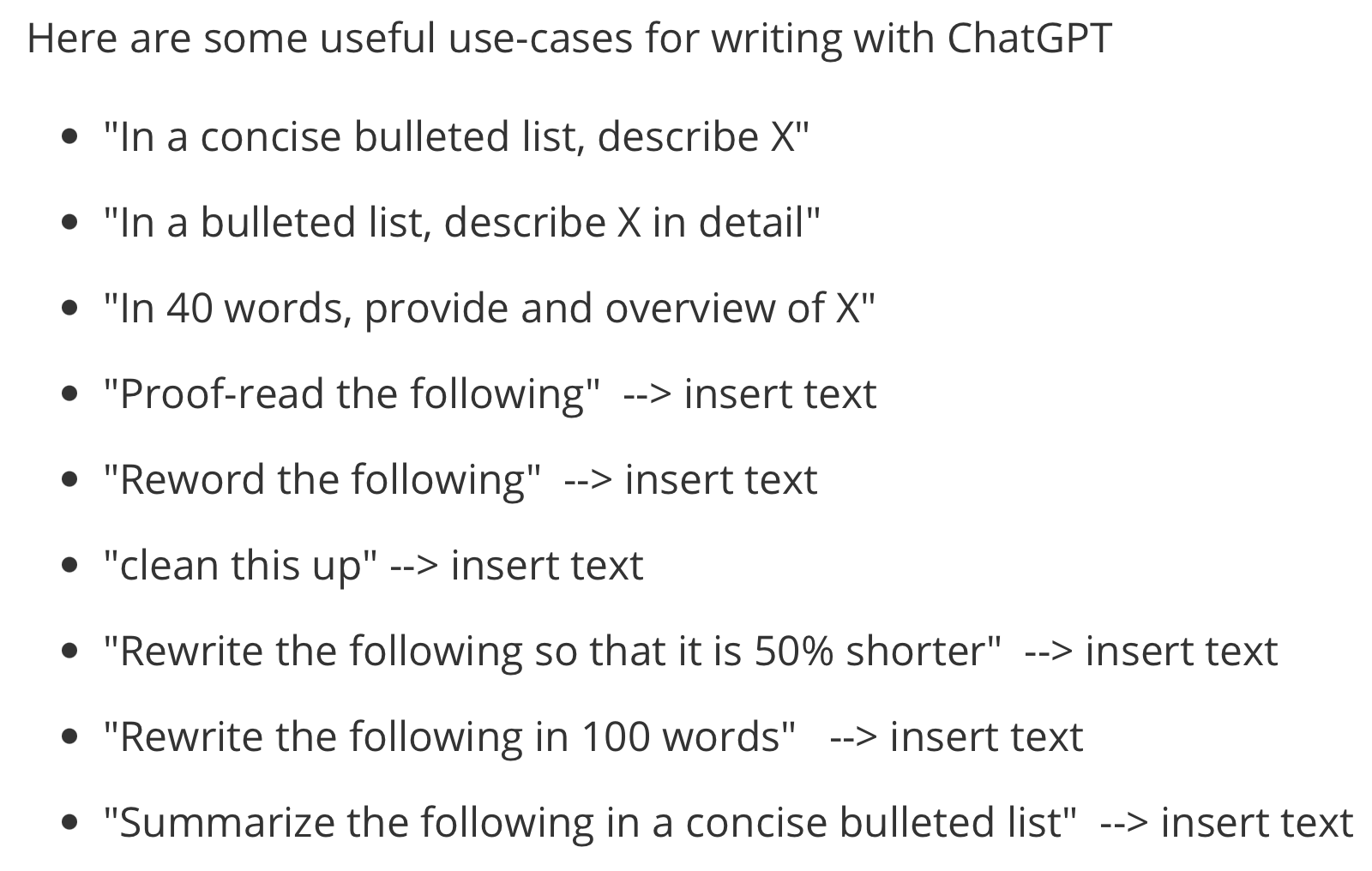
IMPORTANT: If the text you are inputting to ChatGPT for transformation is NOT ORIGINALLY YOUR OWN content, then you MUST cite the transformed text to provide attribution to the original creator.
Coding assistant:
There are many options here, I like to use Cursor and Claude for most coding tasks.
Anti-gravityby Google is a similar option, just another fork of VS-Code
Image generation: Gemini
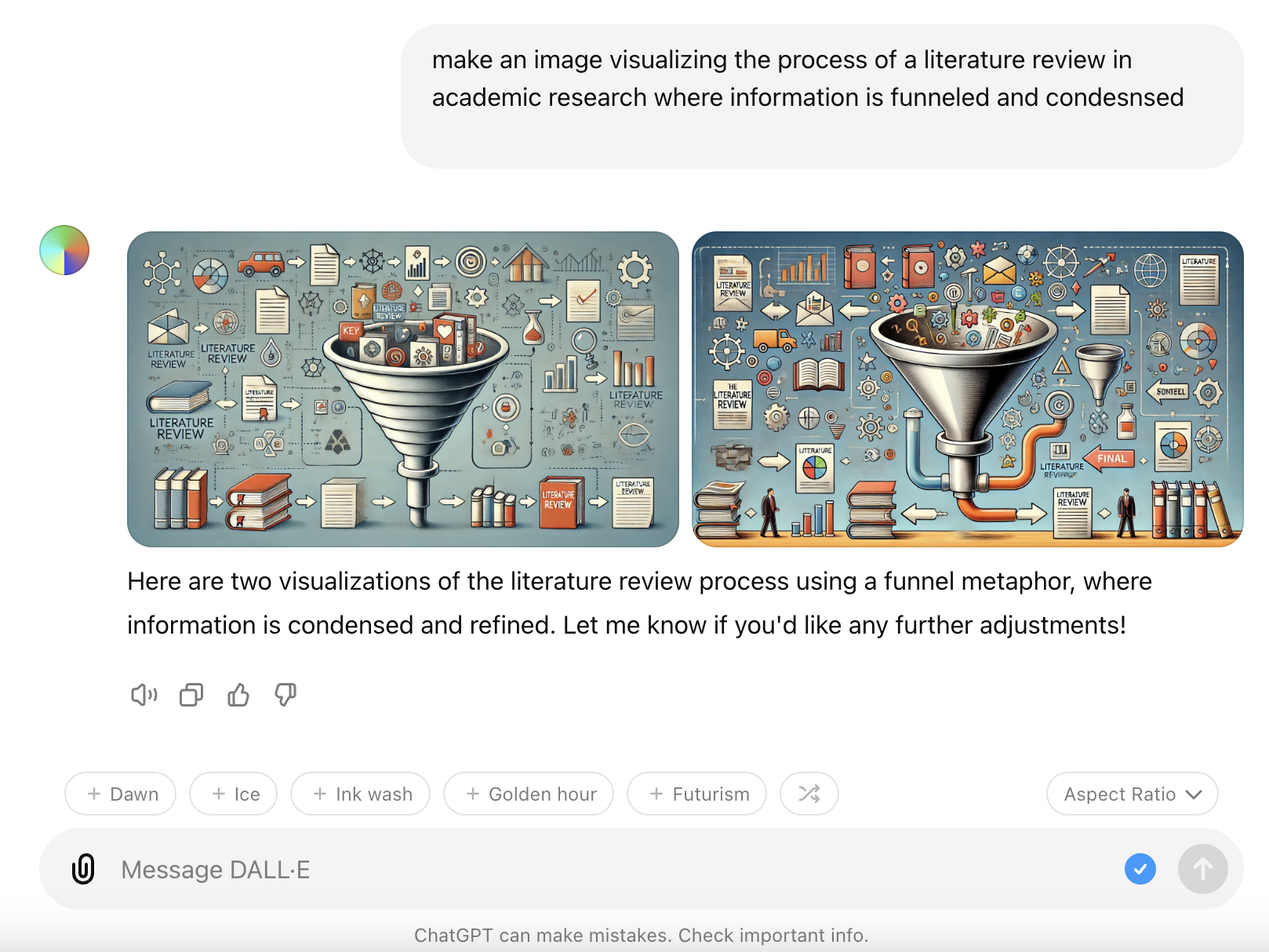
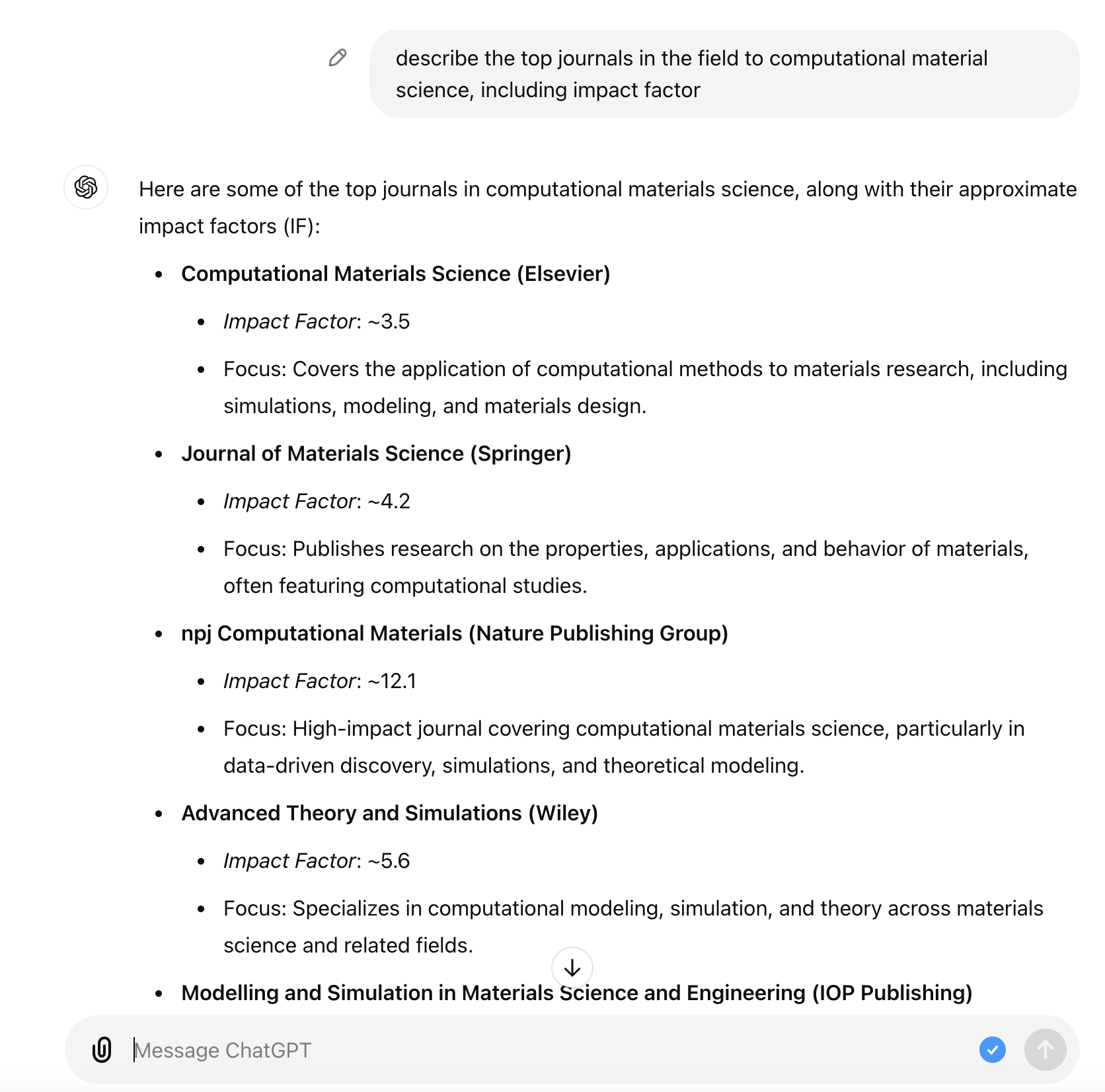
Isolating relevant journals
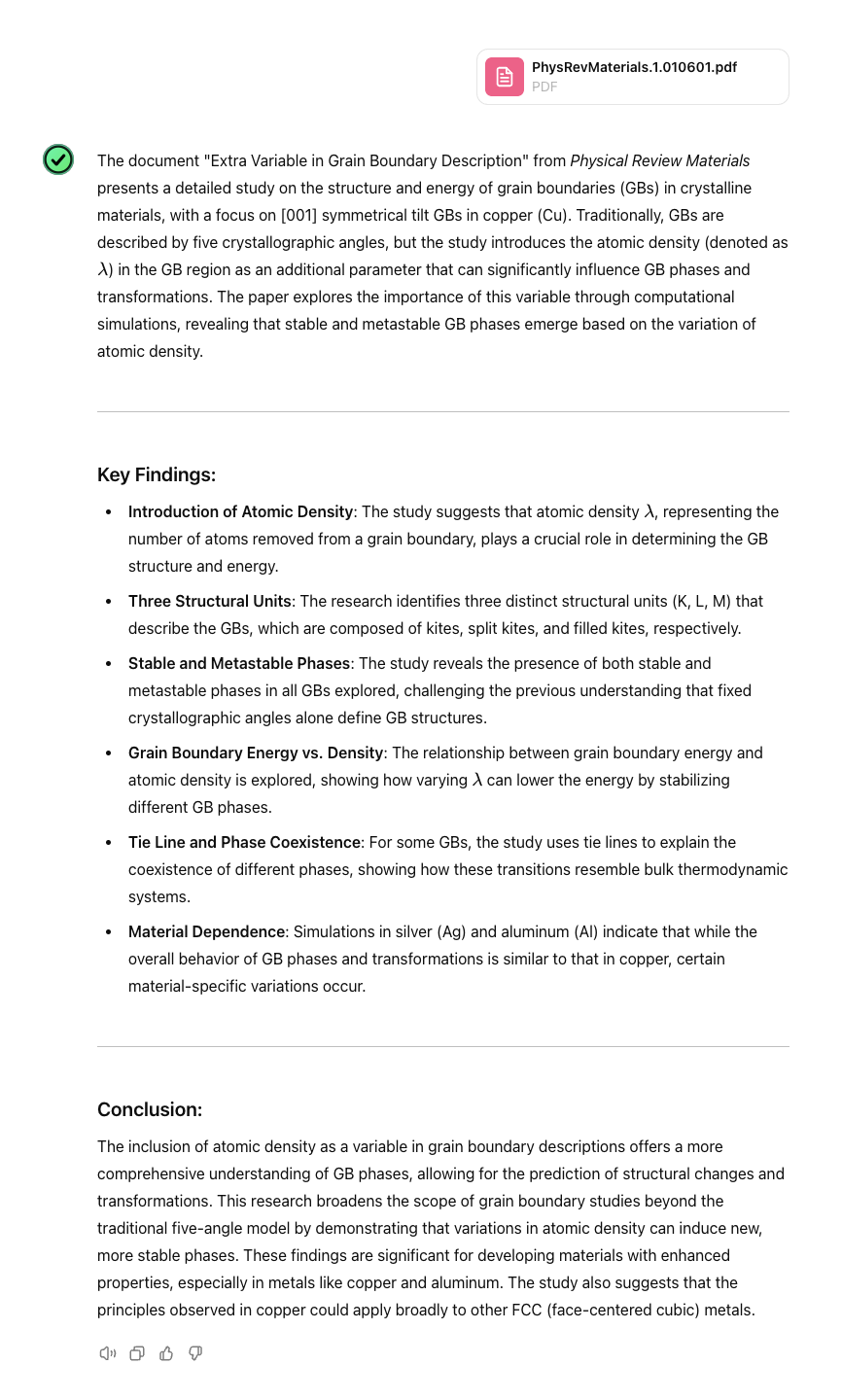
Summarization with chatGPT

Example:
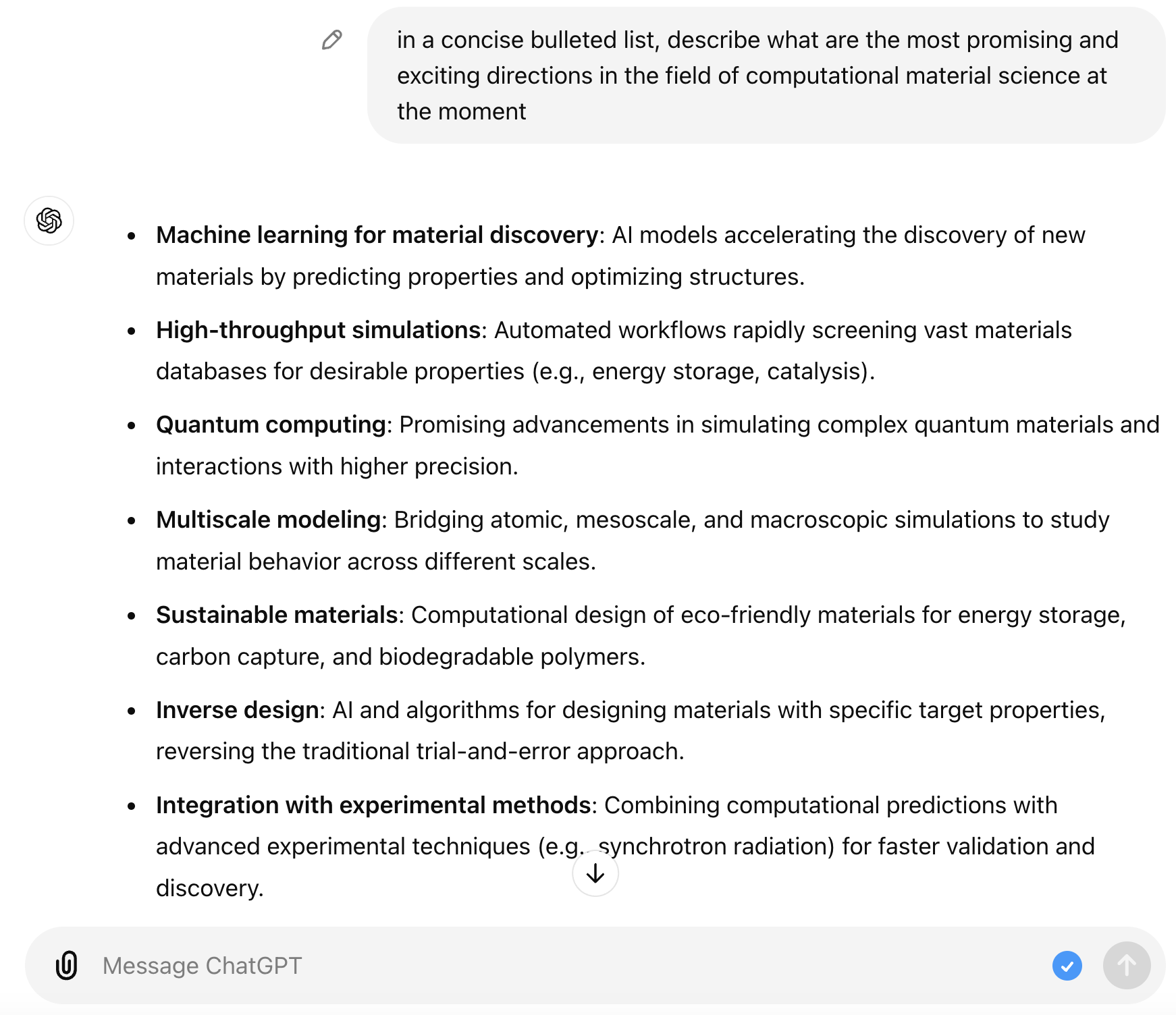
chatGPT for project brainstorming
Going deeper
- Scholarcy: Summarizes academic papers, extracting key points, figures, and references for quick review.
- Scite.ai: Analyzes citation contexts to assess how research is supported or disputed by other papers.
- Iris.ai: Automates literature discovery and connects research papers based on deep content analysis.
- Research Rabbit: AI tool for exploring academic networks, finding related research, and tracking new papers in real-time.
- Semantic Scholar: AI-powered academic search engine offering enhanced filters, citation tracking, and trend analysis.
- Connected Papers: Visual tool leveraging AI to map out the relationships between academic papers, helping users explore relevant literature.
- ChatGPT: Assists with brainstorming, summarizing complex topics, and refining research writing.
- Elicit: Literature review, systematic review automation.